Parsa Khalili
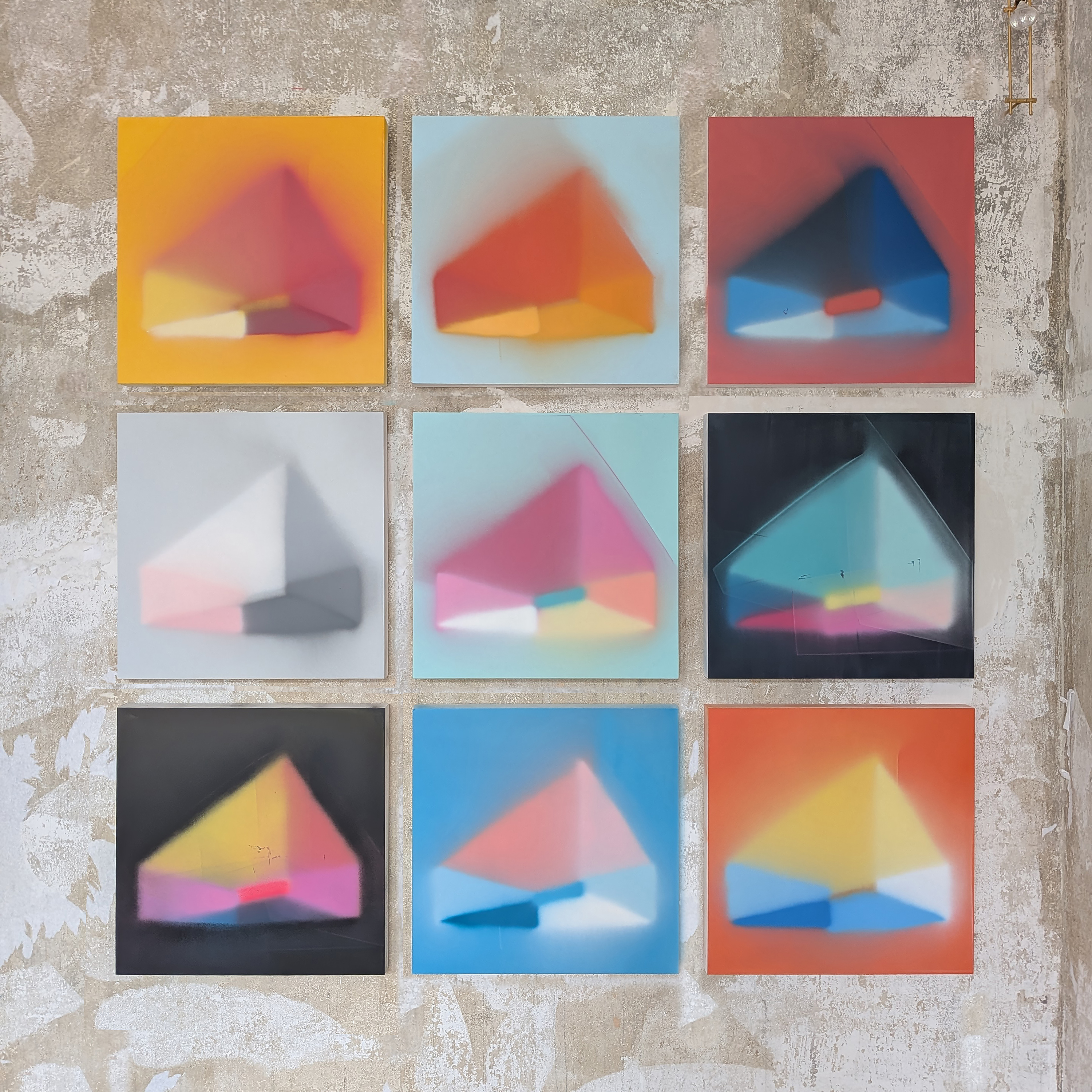
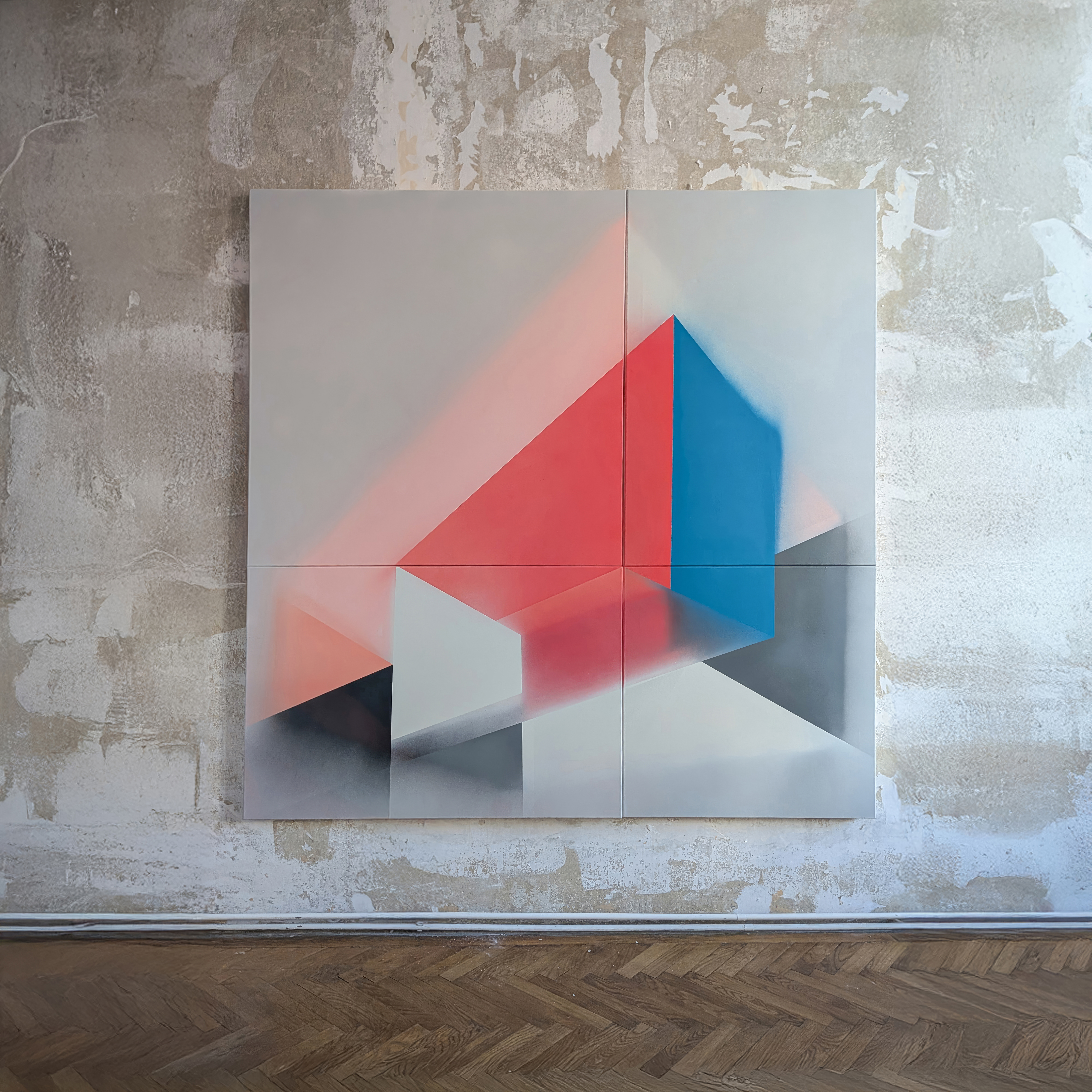
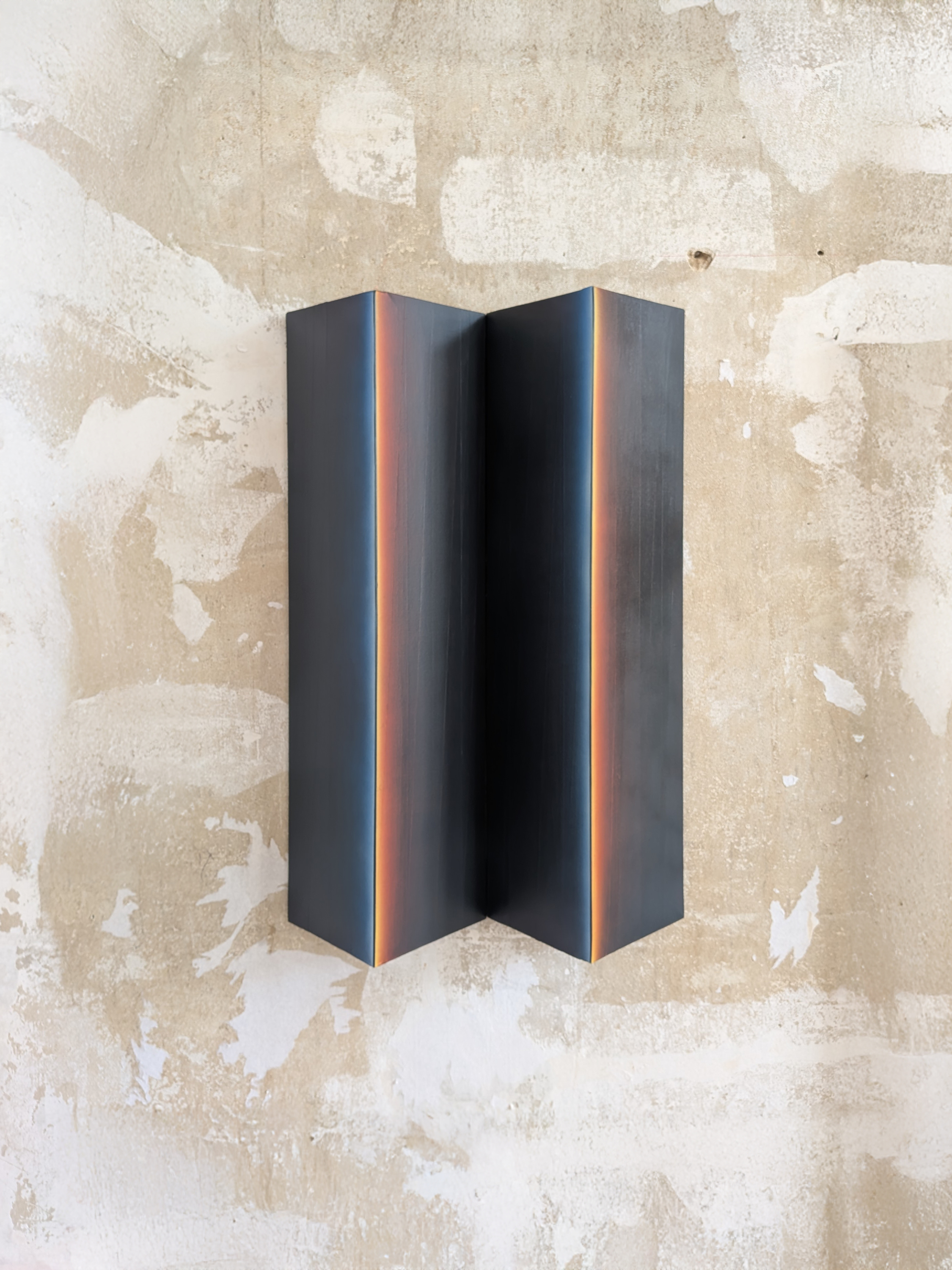
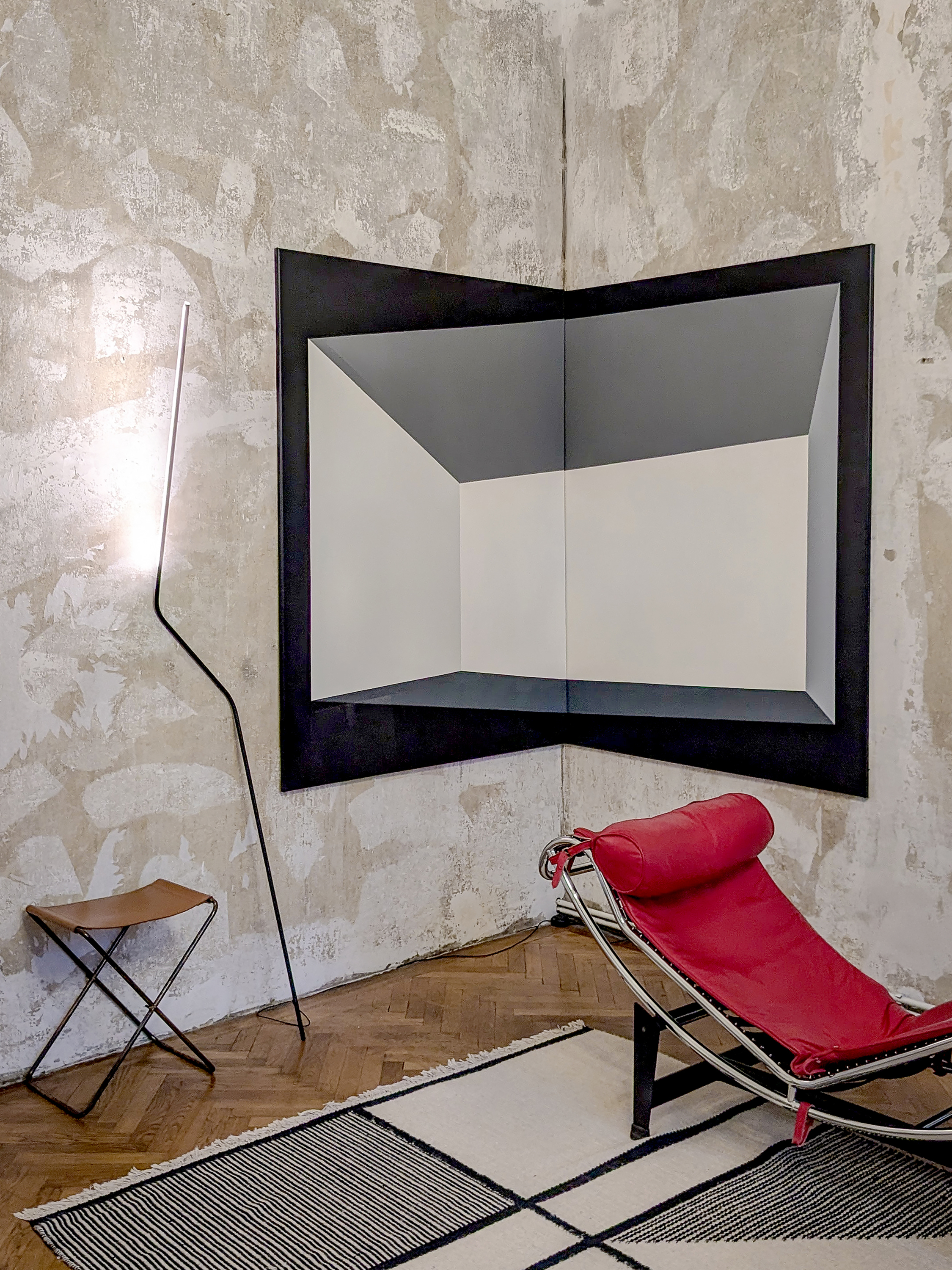
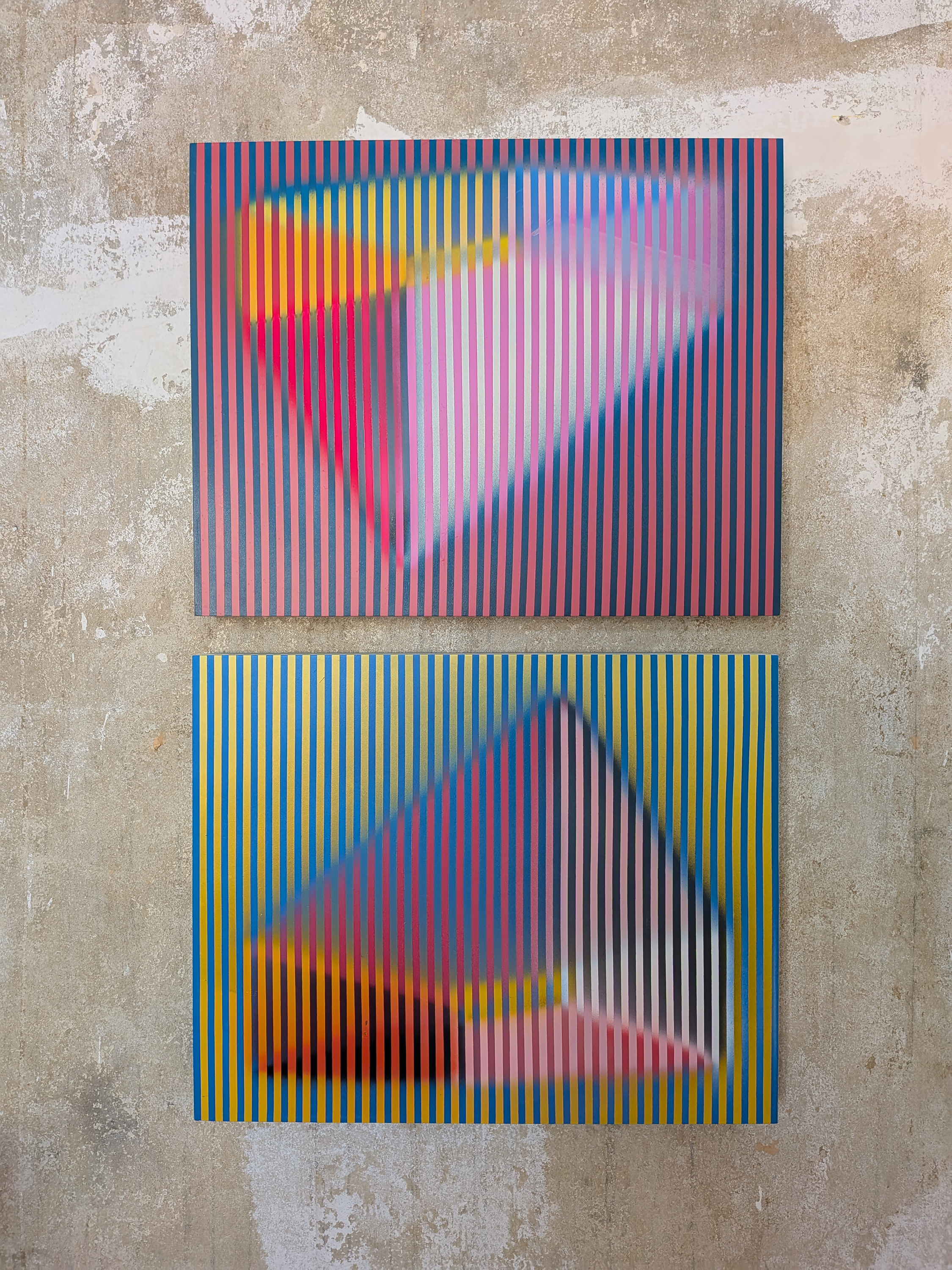
Parsa Khalili, geboren in Teheran, aufgewachsen in Chicago, später erfolgreich mit eigenen Architekturbüro in New York, lebt und arbeitet heute in Wien. Er ist Architekt und Künstler. Sein Werk reicht von Gebäuden über Skulptur, digitalen Renderings hin zur Malerei. In all diesen Formaten untersucht er die Frage, was Raum sein kann – nicht als Volumen, sondern als Erfahrung. Als Denkbewegung. Sein Ansatz ist forschend und lässt sich auch biografisch nachzeichnen: Khalili lehrte unter anderem an der Princeton University, an der Universität für angewandte Kunst in Wien, an der Yale University sowie am Pratt Institute in New York. Parallel zu seinem architektonischen Hintergrund hat Khalili sich früh künstlerisch geschult. Besonders geprägt haben ihn die Arbeiten von Sol LeWitt, insbesondere dessen Beharren auf dem Würfel. Heute bewegt sich Parsa Kahlili zwischen den Disziplinen. In seiner Kunst entstehen Hybride zwischen Konstruktion und Fiktion. Bildräume, die nie ganz zur Ruhe kommen.
Zum besseren Verständnis dieses Denkens lohnt sich ein kurzer Blick auf Lebbeus Woods, eine Schlüsselfigur der spekulativen Architektur. Woods war Zeichner, Theoretiker und Architekt – letzteres allerdings nicht im klassischen Sinn, denn er hat kaum gebaut. Was er entwarf, waren Strukturen für eine Welt im Ausnahmezustand. Man könnte sagen: architektonische Zufluchten, gedacht für Orte, die von Kriegen und Naturkatastrophen gezeichnet sind. Was bei Woods das Eingreifen ins Zerstörte, Veränderte ist, ist bei Khalili das Durchdringen des vermeintlich Intakten. Woods entwarf fürs Danach – Khalili stellt infrage, ob das Davor überhaupt stabil ist. Wo Woods architektonische Trümmerlandschaften entwirft, antwortet Khalili mit der Sichtbarmachung von Abweichungen im System. Er interessiert sich für Räume, die verunsichern. Seine malerische Architektur zielt auf Widerstand und Veränderung – Zustände, die per se destabilisieren.
Text: Esther Hladik
Parsa Khalili, born in Tehran, raised in Chicago, later successful with his own architecture firm in New York, now lives and works in Vienna. He is an architect and artist. His work ranges from buildings to sculpture, digital renderings, and painting. In all these formats, he explores the question of what space can be—not as volume, but as experience. As a movement of thought. His approach is exploratory and can also be traced biographically: Khalili has taught at Princeton University, the University of Applied Arts in Vienna, Yale University, and the Pratt Institute in New York, among others. Parallel to his architectural background, Khalili trained artistically from an early age. He was particularly influenced by the work of Sol LeWitt, especially his insistence on the cube. Today, Parsa Kahlili moves between disciplines. His art creates hybrids between construction and fiction. Image spaces that never quite come to rest.
To better understand this way of thinking, it is worth taking a brief look at Lebbeus Woods, a key figure in speculative architecture. Woods was a draftsman, theorist, and architect—though not in the traditional sense, as he rarely built anything. What he designed were structures for a world in a state of emergency. One could say: architectural refuges, designed for places scarred by war and natural disasters. What Woods does is intervene in what has been destroyed and changed, while Khalili penetrates what is supposedly intact. Woods designed for the aftermath—Khalili questions whether the before is stable at all. Where Woods designs architectural landscapes of rubble, Khalili responds by visualizing deviations in the system. He is interested in spaces that unsettle. His painterly architecture aims at resistance and change—conditions that are destabilizing per se.
Text: Esther Hladik